Choosing a pet memorial stone in Anchorage
By our count, roughly 8,850 Anchorage families lose a dog or cat every year. A memorial stone is one of the few decisions with no deadline, so here's what to know before you order.
- Granite, slate, river rock and cast stone compared
- Setting fees and cemetery rules in plain words
- Options you can lift and move if you relocate
Anchorage, Alaska
Pet memorials in Anchorage: the local picture
Because the ground in Anchorage stays frozen for so long, many families keep ashes at home in a simple urn over winter and choose a lasting memorial in spring. The wait can actually help. It gives you time to decide between a keepsake to wear, a garden stone, a tree, or scattering somewhere meaningful once the snow is gone. A temporary urn can sit on a shelf until then.
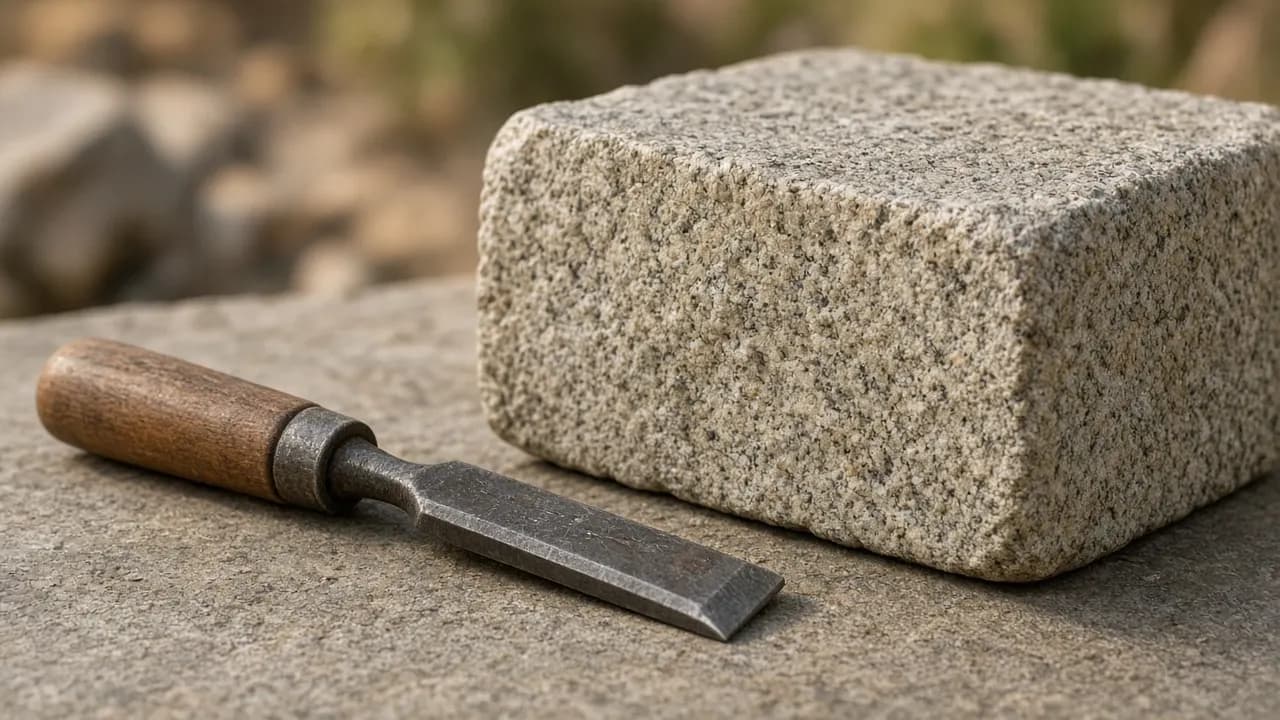
Outdoor memorials in Anchorage need to handle deep cold, heavy snow and freeze-thaw cycles. Granite, bronze and dense concrete last best, while porous stone and thin resin can crack. Set a garden stone on gravel so frost doesn't heave it, and mark its spot, since it may be buried under snow for months each year. A small stake or marker beside it helps you find it again.
Many vets and pet crematories around Anchorage can order a memorial stone for you from a catalog, which is convenient if you're already collecting ashes. It isn't always the cheapest route, and the range can be narrow. Ask to see the material and the lettering method, then compare with a local monument shop or an online maker such as those in our services guide.
Anchorage's population is around 288,000, the largest of the 10 Alaska communities we cover.
If you want to compare providers, look at Wasilla (29 miles), Palmer (37 miles) and Kenai (63 miles). Distance matters because pickup fees and the time until the ashes come back both grow with the drive.
Our estimate
105,000
Anchorage: dog- or cat-owning households, our estimate
How we calculated this
288,000 ÷ 2.5 = 115,200 households; × 53% (dog) + 39% (cat) = 105,000. Multi-pet homes count once.
Our estimate
8,850
Estimated dog and cat losses in Anchorage each year
How we calculated this
105,000 dog/cat-owning homes ÷ average lifespan (dog: 12.69 yrs + cat: 11.18 yrs) ≈ 8,850 a year. A floor, not a ceiling.
53%[1]
53% of US households own a dog, which is about 71 million households.
12.69 years[2]
US dogs have an average life expectancy at birth of 12.69 years.
39%[3]
39% of US households own a cat, which is about 53 million households.
11.18 years[4]
US cats seen at Banfield hospitals have an average life expectancy at birth of 11.18 years.
To check the figures yourself, see Montoya et al. 2023, Frontiers in Veterinary Science and American Pet Products Association (APPA) 2025 State of the Industry.
Burial, cremation and headstones in Alaska
Cremation is the norm in Alaska: about 74.1%[5] of people who die there are cremated. Pet owners tend to follow the same pattern, which shapes the kind of stone families choose. Here, a memorial stone often marks buried ashes in a flower bed or sits beside an urn, rather than covering a full grave, so smaller stones and ones with a sealed ashes compartment are popular.
The Alaska figure comes from NFDA 2024 Cremation & Burial Report state projections (via Occasional Sage) (2024). It describes people, not pets, so read it as a sign of local attitudes rather than a pet statistic.
When to install, and what the seasons do to stone
Snow and salt are both hard on stone in Anchorage. A flush marker disappears under snow from January, February, March, April, October, November and December, so add a small stake or a tall plant nearby if you want to find it easily. Keep de-icing salt away from the memorial: salt draws water into stone and speeds up flaking, especially on limestone, marble and concrete.
Anchorage winters are the real test for a memorial stone. Average lows drop below freezing in January, February, March, April, October, November and December, and every freeze-thaw cycle lets water into porous stone, freeze, expand and pry off flakes, often from the edges of engraved letters first. Dense granite shrugs this off; slate, sandstone, concrete and cast resin can crack within a few winters.
Stone, engraving and setting: the real prices
In Anchorage, as anywhere in the US, the engraving can cost as much as the stone. Monument engravers who charge by the letter typically ask $8–$35/char[6], and a standard 40 to 60 character inscription can total $500 to $1,200 at those rates[6]. Small online pet stones usually include a few lines of text in the price, which is why they look so much cheaper.
Rather than repeat the price table on every city page, we keep one for Alaska: Alaska costs. What each service includes is on the services page.
Free tool
Memorial budget planner
Add up cremation, urn, keepsakes and a farewell so the total holds no surprises.
What Alaska allows for pet graves and markers
Burying a pet on land that belongs to someone else, such as a parent's farm or a friend's garden, needs the owner's clear agreement, and it's wise to note the spot for whoever owns the land next. The stone itself is usually the easy part. Our local notes on burial and scattering in Alaska follow.
Alaska keeps an official directory of local governments; use it to reach the county or city office that covers Anchorage.
Start with the Alaska rules, which cover burial, scattering and oversight for the whole state, and treat Anchorage's local ordinances as a possible extra layer.
A simple plan for your pet's memorial stone
- Decide how much of the ashes belongs with the stone: all of them sealed inside, a small portion buried beneath, or none, with the stone simply marking a place your pet loved.
- If the stone will hold ashes, ask the maker for the cavity's volume and set it against the size of the bag or box that came back from the crematory. Our urn size calculator gives a rough figure for how much room the ashes take.
- Keep the ashes in a sealed waterproof pouch inside the cavity, because loose ashes draw in moisture and clump.
- Place the stone as soon as it arrives if you like. There's no soil to wait on, so families often choose a meaningful date, a birthday or the first mild weekend of the year.
- Pick a spot that stays yours, such as a patio corner or a large planter, if there's a chance you'll relocate.
- Write down what's inside the stone and file the note with your important documents, so a future owner or relative doesn't treat it as decoration.
Keeping the memory close
Alaskans tend to value practical, personal things, and pet memorials here often reflect that: a handmade urn, a collar or tag kept by the door, a paw print framed with a photo taken on a summer hike. If friends or family live across the state or down south, dividing the ashes into small keepsakes lets everyone keep a part. Small pieces also mail easily.
try the free planning tools, or see what other families chose in the poll results, See what each option includes on our services page, the guides answer the longer questions and the blog the newer ones. If you live between Anchorage and Ketchikan, Wasilla, Kenai and Fairbanks, either page applies. Every other community in Alaska, and all of the United States, is listed too.

Reader polls
What would you choose?
Vote anonymously and see how other readers answered. The results are live counts from people who visit this site, so they show real opinions, not a scientific sample.
Which stone would you choose for your pet's marker?
Tap an answer to vote and see how others answered. Anonymous.
If you moved house, what would happen to the memorial?
Tap an answer to vote and see how others answered. Anonymous.
If you had to decide today, which aftercare would you choose for your pet?
Tap an answer to vote and see how others answered. Anonymous.

Free tools to help you plan
Memorial budget planner
Add up cremation, urn, keepsakes and a farewell so the total holds no surprises.
Memorial stone planner
Plan size, material and engraving length so your wording fits the stone.
Memorial tree finder
Pick a tree for a planting urn that suits your climate, space and pet.
Questions people ask
Does the Anchorage climate change what I should do first?
Only the timing. In July, with highs near 67°F, cool the body and book collection the same day. In January, February, March, April, October, November and December, when lows sit below freezing, a home burial may have to wait for a thaw, so cremation with ashes returned keeps your options open.
Why does the Anchorage page quote a human cremation rate?
Because it is the best local signal we have. NFDA 2024 Cremation & Burial Report state projections (via Occasional Sage) (2024) reports about 74.1%[5] of Alaska residents are cremated. There is no official pet equivalent, and inventing one would be worse than quoting a real, clearly labelled number.
Which nearby towns can I compare with Anchorage?
The closest communities we cover are Wasilla (about 29 miles), Palmer (about 37 miles) and Kenai (about 63 miles). Providers based in those places often serve Anchorage too. Ask each one for a written total that includes collection, so the distance is priced in.
Is Anchorage big enough to have several pet aftercare providers?
Probably, on the numbers. By our estimate about 105,000 Anchorage households keep a dog or cat and around 8,850 lose one each year, which is enough steady demand to support more than one provider. We derive that from population (about 288,000), household size and national ownership and lifespan figures.
Can I add a second pet's name to an existing memorial stone?
Often, yes, if there's room and the stone is suitable. Many monument engravers can cut new lettering on site or in the workshop, and matching the original typeface and depth is easiest if you know who made the stone. If you're ordering now and expect to add a name later, ask for blank space to be left below the first inscription.
What does a pet cemetery plot cost compared with a garden stone?
A lot more. In a sample of 15 US pet cemeteries, a typical burial cost $1,500–$2,000[8], and ongoing care can add more; one New York cemetery charges $105/yr or $3,500[9] for upkeep. A garden stone at home costs only the stone and delivery, starting at ~$39[7] for an engraved garden stone.


Sources and our estimates
- [1] 53% of US households own a dog, which is about 71 million households. American Pet Products Association (APPA) 2025 State of the Industry, 2025.
- [2] US dogs have an average life expectancy at birth of 12.69 years. Montoya et al. 2023, Frontiers in Veterinary Science - Banfield Pet Hospital life expectancy tables (13.3 million dogs, 2.4 million cats, 2013-2019), 2023.
- [3] 39% of US households own a cat, which is about 53 million households. American Pet Products Association (APPA) 2025 State of the Industry, 2025.
- [4] US cats seen at Banfield hospitals have an average life expectancy at birth of 11.18 years. Montoya et al. 2023, Frontiers in Veterinary Science - Banfield Pet Hospital life expectancy tables (13.3 million dogs, 2.4 million cats, 2013-2019), 2023.
- [5] The NFDA projected Alaska's cremation rate at 74.1% for 2024. NFDA 2024 Cremation & Burial Report state projections (via Occasional Sage), 2024.
- [6] Headstone engravers charge $8–$35 per character; a standard 40–60 character inscription totals $500–$1,200. Memorials.com – Headstone Engraving Cost, 2026.
- [7] Engraved pet garden stones start at about $39 at the median of three US sellers. Our estimate: median of starting prices [$38 Adirondack, $38.95 Memorials.com, $89.99 Comfort Co.]. How we calculate.
- [8] Furever Memorials' review of 15 US pet cemeteries puts the typical pet burial at $1,500–$2,000. Furever Memorials – Pet Burial Cost (15 cemeteries), 2025.
- [9] Hartsdale Pet Cemetery in New York charges $105 a year for plot maintenance, or $3,500 one time for perpetual care. VOA News – America's oldest pet cemetery, 2024.
Find a stone maker who serves Anchorage
Tell us what you need and where you are. We'll reply by email with clear options and prices so you can decide in your own time.