Pet memorials in winter: setting, protecting and waiting for spring
You can order a memorial stone in winter, but it's usually wiser to set it once the ground thaws. Frozen soil can't be leveled or compacted properly, so a stone set in January often tilts by April. A temporary marker bridges the gap, and dense granite is the material most likely to shrug off years of frost.
By the Pet Memorial Stones & Garden Markers editorial team · Updated September 24, 2026 · 5 min read · Sources
- What frost heave does to a stone, and how to stop it
- Which materials crack, flake or fade in cold
- Gentle ways to mark the grave until the thaw
The short answer
Can you set a memorial stone when the ground is frozen?
Technically you can lay a stone on top of frozen ground, but it won't stay where you put it. When the soil thaws it softens and settles unevenly, and the stone rocks, sinks at one corner or slides. Setting it properly means digging a shallow bed, filling it with gravel and compacting it, which isn't possible in hard-frozen earth.
The good news is that winter is a fine time to choose and order. Made-to-order granite markers usually take 2–4 weeks[1] to make, and full headstones take 6–12 weeks[2] (per one large retailer). Ordering in January means the stone is waiting for you when the soil is workable. Many families find the extra weeks help with the wording, too.
How cold moves stones
What is frost heave, and why does it tilt stones?
Frost heave happens when water in the soil freezes into ice lenses that push upward. Clay and silty soils that hold water heave the most; sandy, free-draining soils barely move. A stone sitting on soggy clay gets lifted a little each winter and never quite settles back level. If you're not sure what your yard sits on, the USDA's Web Soil Survey will tell you whether it's clay, silt or sand.
The cure is drainage. A bed of compacted crushed gravel under the stone lets water run away before it can freeze in place. In mild areas two or three inches is plenty. Where winters are hard, many installers dig deeper and use more gravel, especially for upright stones that catch the wind and can lean. Our step-by-step on how to set a memorial stone in the garden walks through the bed layer by layer. Your zone on the USDA plant hardiness zone map gives a rough idea of how cold your winters get, and the live poll results show how other readers are handling it.
Choosing for cold
Which stones survive freeze-thaw winters, and which crack?
Any water that soaks into a stone expands by about 9% as it freezes. Do that dozens of times a winter and porous or layered stones start to flake. How much water a stone takes in is the single most useful thing to know about it in a cold climate.
| Material | In freeze-thaw | What you'll see over time |
|---|---|---|
| Granite | Absorbs very little water | Lettering stays sharp; moss may grow in shade |
| Slate | Can split along its natural layers | Thin flakes lifting from edges and letters |
| Sandstone and limestone | Soaks up water | Softened letters, surface crumbling, heavy moss |
| River rock | Depends on the rock; dense ones do well | Painted letters fade; carved ones last |
| Resin and cast stone | Can crack, especially if knocked when cold | Hairline cracks, sun-faded color |
| Concrete stepping-stone memorials | Porous unless sealed | Surface pitting and crumbling edges |
If you live in the frost belt, granite is the safe choice for anything meant to last. The cost difference is smaller than people expect: flat granite pet markers start from $157.95[3] at one national retailer, against cultured-stone markers from $87.95[4]. For a deeper look at stone grades and what "granite look" really means, read our guide to outdoor stone grade and engraving depth.
Which stone would you choose for your pet's marker?
Tap an answer to vote and see how others answered. Anonymous.
The waiting months
How can you mark the grave until the ground thaws?
A temporary marker gives the grave a visible edge and gives you something to tend. It doesn't need to be anything special, and it helps if it's easy to move once the real stone arrives.
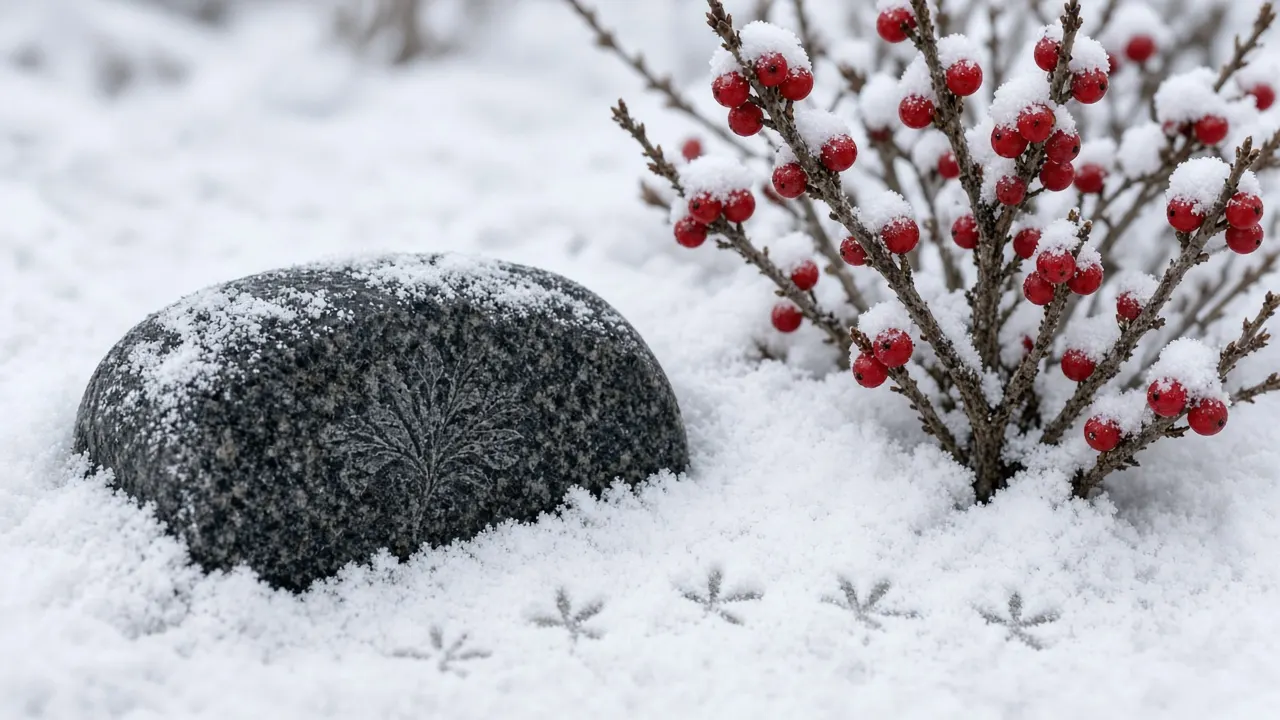
- A flat paving slab or a large, smooth rock placed on top of the snow or frozen soil.
- A wreath of evergreen branches, holly or dried grasses, which looks natural in winter.
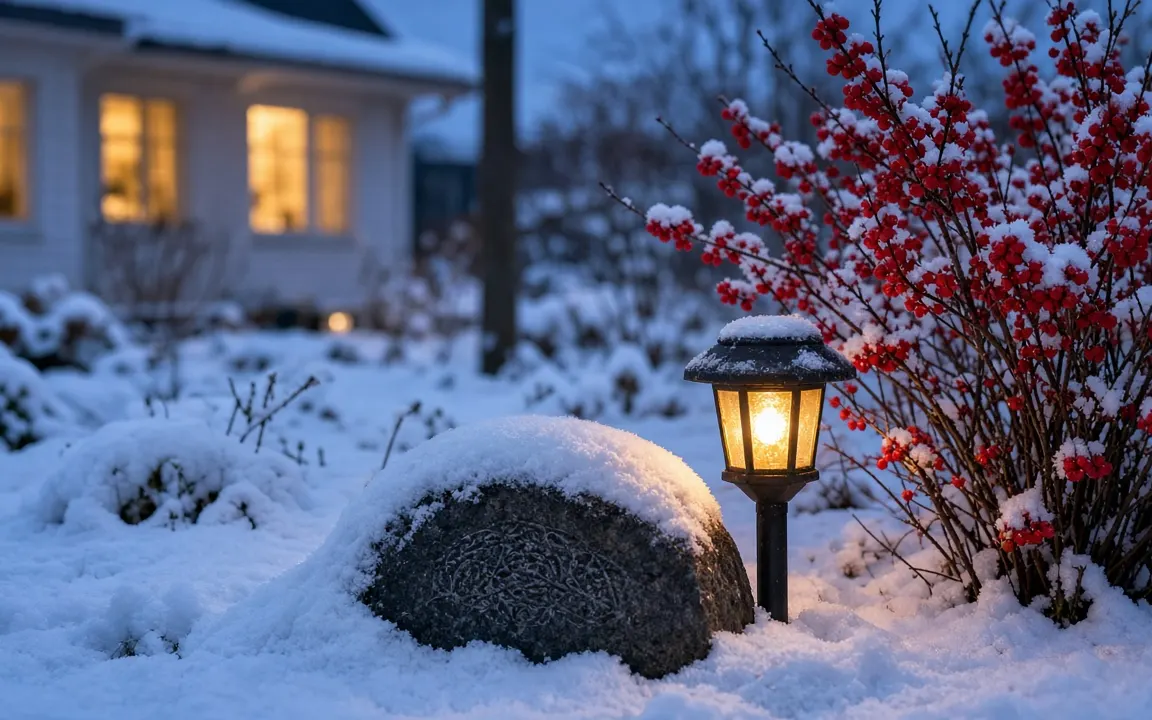
- A solar lantern on a stake, so you can see the spot from the window on dark evenings.
- A shepherd's hook with a bird feeder: many families like seeing life at the grave in the coldest months.
- A painted rock or wooden sign made by the children, kept on the porch until the weather eases.
These small rituals matter. In a large RSPCA survey, 66.9%[5] of bereaved owners were surprised by how intense their grief felt. Dark, cold months can make it heavier. Our post on outdoor rituals while a marker is being planned has more ideas that work in any season.
If your pet died in winter
What if you can't dig a grave in frozen ground?
This is a real problem in cold regions, and it's worth knowing the options before you need them. Some places also set rules for how a pet is buried: Germany, for example, requires at least 50 cm of soil over a pet[6]. Frozen ground can make that impossible.
- Cremate now, bury ashes in spring. Ashes don't need a deep grave and can wait indoors for as long as you like. A stone with a sealed compartment, or one set over a small buried urn, works well.
- Ask your vet about holding. Some clinics and aftercare providers can hold a pet in cold storage for a short time. Ask how long and what it costs.
- Choose a pet cemetery. Cemeteries usually have equipment to open ground in winter, and some keep pre-dug plots.
Never leave a pet in a shallow winter grave, even temporarily. Scavengers are hungry in winter, and a pet that was euthanized carries drugs that can poison wildlife. If you'd like a planting to go with the stone when spring comes, the memorial tree finder suggests trees that suit cold climates. Cremating first also costs less at a cemetery later: at one UK pet cemetery, by our calculation, burying ashes unattended costs about one-eleventh[7] of a whole-body green burial, though the cremation fee comes on top.

Free tool
Memorial tree finder
Pick a tree for a planting urn that suits your climate, space and pet.
Year after year
How do you protect a pet's stone through winter?
Once the stone is set on a good base, winter care is mostly about what not to do.
- Keep de-icing salt away. Salt soaks into stone and grout and speeds up flaking. If the stone sits near a path you salt, switch to sand or grit on that stretch.
- Don't chip ice off engraved letters. Let it melt. A metal scraper will nick polished granite and can pop flakes off slate.
- Brush snow off gently, if at all. A soft broom is fine. Snow itself does no harm and even insulates the ground.
- Check for tilt after the thaw. A stone that has shifted can usually be lifted, the gravel topped up and the stone reset in half an hour.
- Leave cleaning until spring. Water in cracks freezes; scrubbing and rinsing on a freezing day does more harm than good.
If you're choosing a stone now, the memorial stone planner helps you pick a size with lettering large enough to read through a light dusting of snow, and our placing and maintaining guide covers year-round care. The National Park Service advises against cleaning grave markers in freezing conditions, because water soaked into the stone can freeze and damage it. For frost-hardy options, see our services overview and your local page.
Winter asks you to wait. The stone will be just as meaningful set in April as it would have been in January.
When you're ready, tell us about your pet and your climate. We'll reply by email with frost-hardy stones from makers who deliver to your area, with realistic timings for spring.

Reader polls
What would you choose?
Vote anonymously and see how other readers answered. The results are live counts from people who visit this site, so they show real opinions, not a scientific sample.
How often would you clean or tend your pet's stone?
Tap an answer to vote and see how others answered. Anonymous.
Which stone would you choose for your pet's marker?
Tap an answer to vote and see how others answered. Anonymous.
What was the hardest part of losing your pet?
Tap an answer to vote and see how others answered. Anonymous.

Questions people ask
Will a granite pet marker crack in freezing weather?
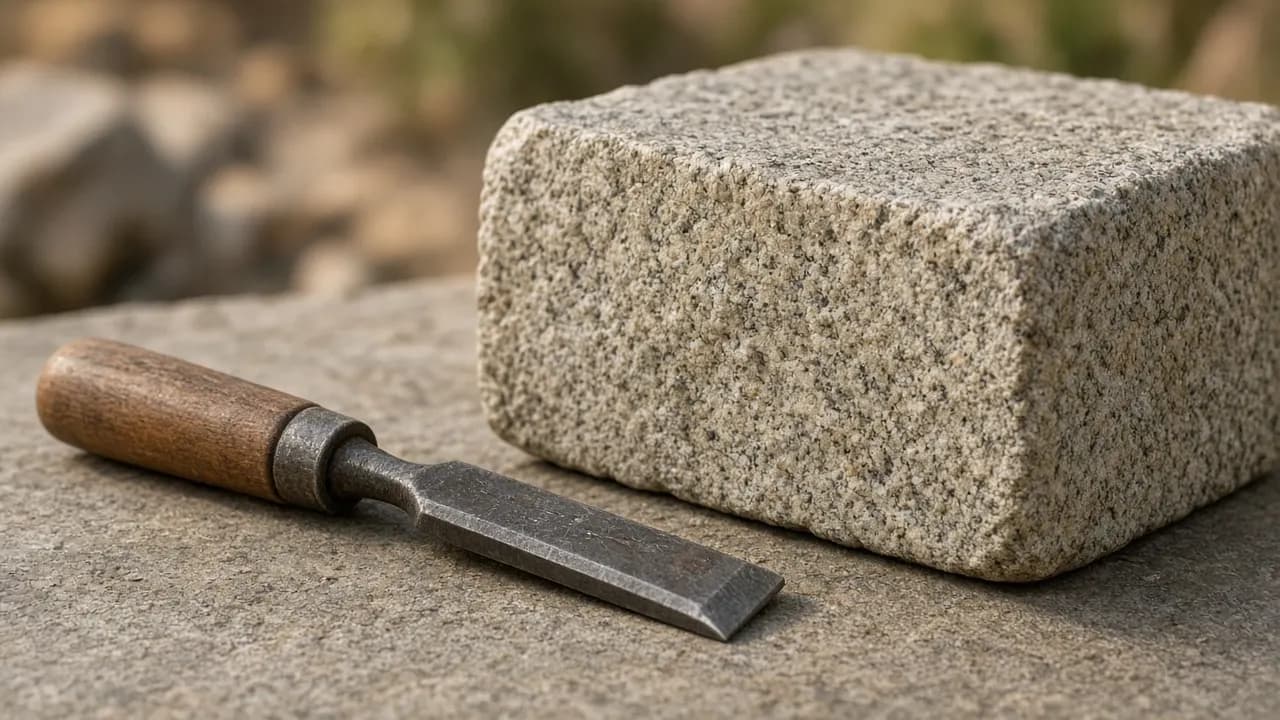
It's very unlikely. Granite absorbs very little water, so there's almost nothing inside it to freeze and expand. Cracks in granite markers usually come from a stone set on uneven ground being stressed as the soil heaves, which a compacted gravel bed prevents. Slate, sandstone and resin are far more likely to flake or crack.
When is the right time of year to set a pet memorial stone?
Late spring through early autumn is easiest in cold regions, once the ground has thawed and dried enough to dig and compact. In mild climates any dry spell works. If your pet was buried recently, waiting a month or two also lets the grave soil settle before a heavy stone goes on top.
Can I put a memorial stone on top of the snow for now?
A light stone or paver can sit on snow or frozen ground as a temporary marker, and many families do this. Don't put your permanent, engraved stone there, though. When the ground thaws it will sink and tilt, and it's easy to chip a polished edge while moving it later.
Does de-icing salt damage memorial stones?
Yes, over time. Salt dissolves in meltwater, soaks into the surface of the stone and crystallizes as it dries, which slowly breaks the surface apart. Softer stones and concrete suffer most, but even granite's polish can dull. Use sand or grit near a memorial instead, and rinse off any salt splash in spring.
My pet died in winter and the ground is frozen. What can I do?
The most flexible choice is cremation, since ashes can wait indoors until spring and need only a shallow hole. You can also ask your vet or an aftercare provider about short-term cold storage, or use a pet cemetery that can open the ground in winter. Don't use a shallow temporary grave, as scavengers and frost can disturb it.


Sources and our estimates
- [1] Made-to-order granite and bronze pet markers take 2–4 weeks to produce; garden and cultured stones ship in 3–5 business days. Memorials.com – Pet Memorial Stones, 2026.
- [2] New headstones take 6–12 weeks to make; adding dates to an existing stone takes 1–4 weeks once scheduled. Memorials.com – Headstone Engraving Cost, 2026.
- [3] Flat granite pet grave markers at Memorials.com start at $157.95. Memorials.com – Pet Memorial Stones, 2026.
- [4] Memorials.com's engraved pet garden stones start at $38.95, cultured-stone markers at $87.95 and flat granite markers at $157.95. Memorials.com – Pet Memorial Stones, 2026.
- [5] 66.9% of respondents were surprised by how intense their grief was after losing a pet. RSPCA — Pet Loss Survey Results, 2026.
- [6] German home burial of pets requires at least 50 cm of soil cover and is not permitted in water- or nature-protection areas. deine-tierwelt.de - Tierbestattung: Diese Moeglichkeiten gibt es und das kosten sie (Nov 2023), 2023.
- [7] Burying a pet's ashes (unattended) costs about one-eleventh of a whole-body green burial at the same UK cemetery. Our estimate: £650 / £60. How we calculate.
Plan a stone that's ready for spring
Tell us what you need and where you are. We'll reply by email with clear options and prices so you can decide in your own time.